

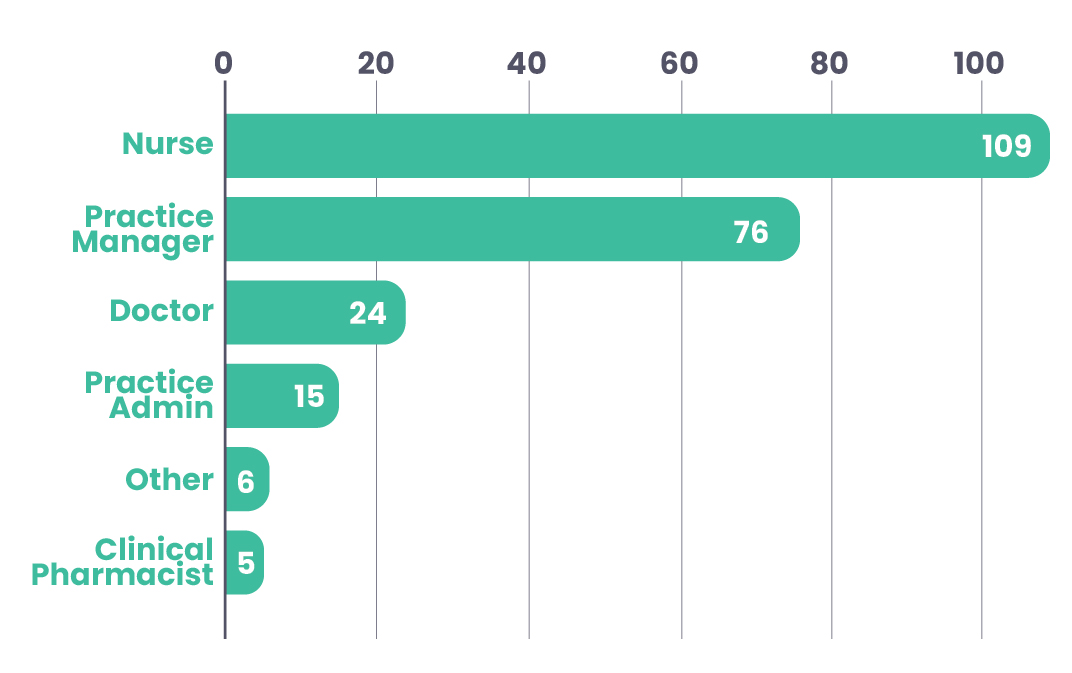
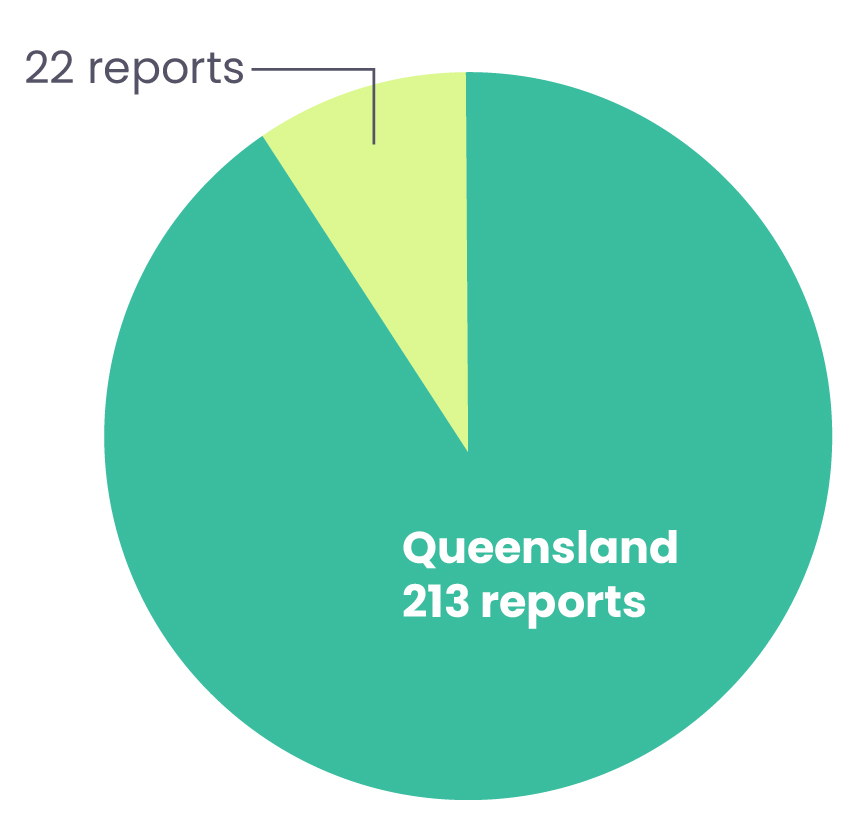
This early pattern of use is encouraging and reflects growing interest in practical tools that help practices identify patients at higher risk of heart attack or stroke, while also highlighting potential gaps in current care or treatment.
A supporting User Guide is also available on the PHASES resources page. The guide provides a walkthrough of the report and explains how it analyses your practice database for cardiovascular disease risk and care opportunities.
To access the report, click the Primary Sense icon  on your clinical desktop or taskbar, then select the reports icon
  from the expanded menu, then open the CVD Risk Screening, Recall and Treatment Report.
PHN teams across the state are continuing to working with local primary care teams to explore how this report can support practices and patients. Additional support is also available through PHASES factsheets, quality improvement tools, audit resources and other practical materials.