
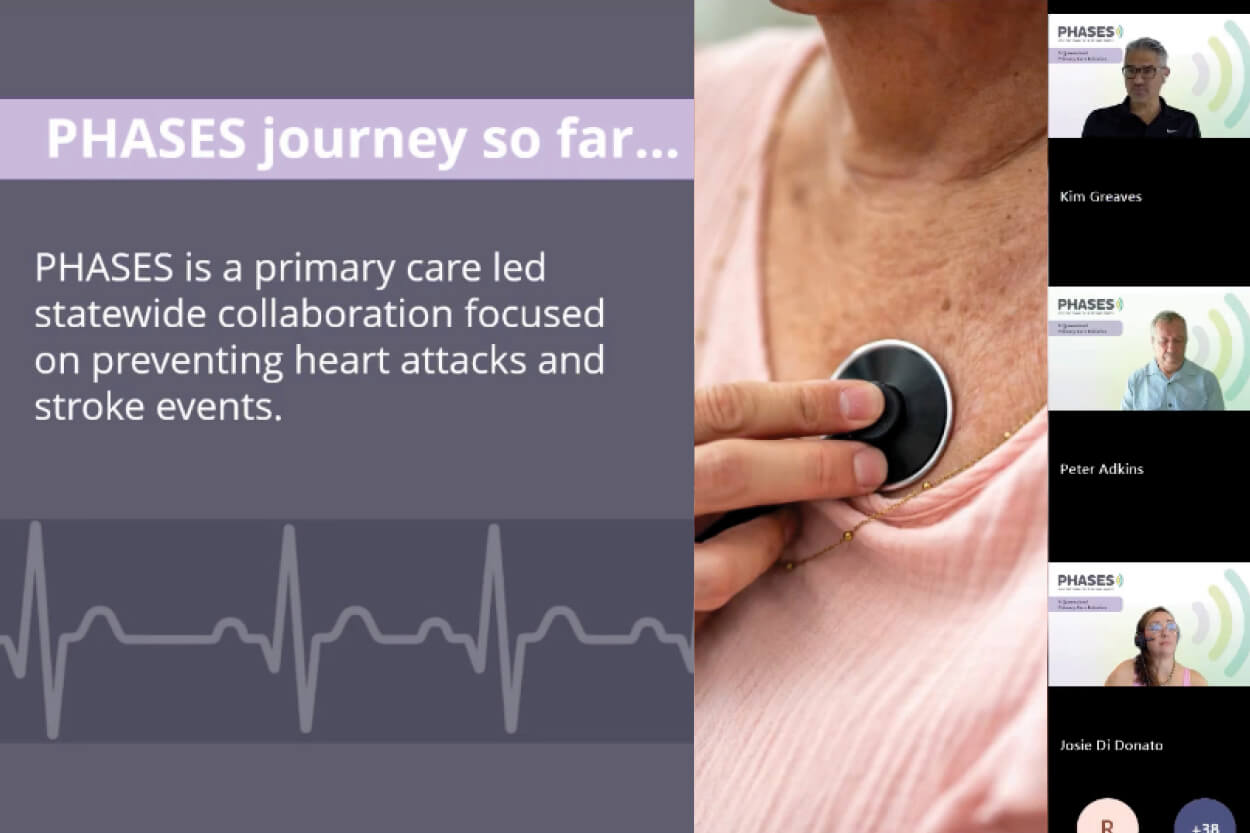
Presented by Dr Peter Atkins and Professor Kim Greaves, the March 2026 webinar shared practical insights into how cardiovascular prevention can be more effectively embedded across the practice team, rather than sitting with GPs alone.
A key theme of the session was that prevention works best when it becomes part of routine care. Speakers explored how practices can combine systematic and opportunistic approaches, use data and digital tools more effectively and build on existing workflows to support earlier identification of patients who may benefit from assessment and follow-up.
The session also reinforced that good coding, team-based care and practical workflow design can help reduce administrative burden and support a more sustainable approach to prevention.
Key takeaways included:
- cardiovascular disease prevention works best as a whole-of-practice effort, not a GP-only activity
- prevention can become routine when practices combine systematic and opportunistic approaches
- data, accurate coding and existing workflows can help reduce workload and support sustainability
Learning objectives :
- the importance of team-based care in identifying and managing cardiovascular risk
- using practice data and digital tools, including Primary Sense, to proactively identify patients who may benefit from assessment
- embedding cardiovascular risk assessment into routine practice workflows
- supporting practices to implement sustainable quality improvement activities
The webinar formed part of the PHASES statewide webinar series supporting primary care teams across Queensland to strengthen early identification and prevention of cardiovascular disease.
Click here if you missed the live session and would like to watch the recording, You can also self-claim RACGP and ACRRM CPD points after viewing.