

New Primary Sense CVD report gaining early traction in Queensland

Since the release of the Primary Sense CVD Risk Screening, Recall and Treatment Report in early February 2026, general practices have begun using the tool to support a more proactive approach to cardiovascular disease prevention.

As at 18 March 2026, the report had been run 235 times, reflecting encouraging early use across general practice settings.

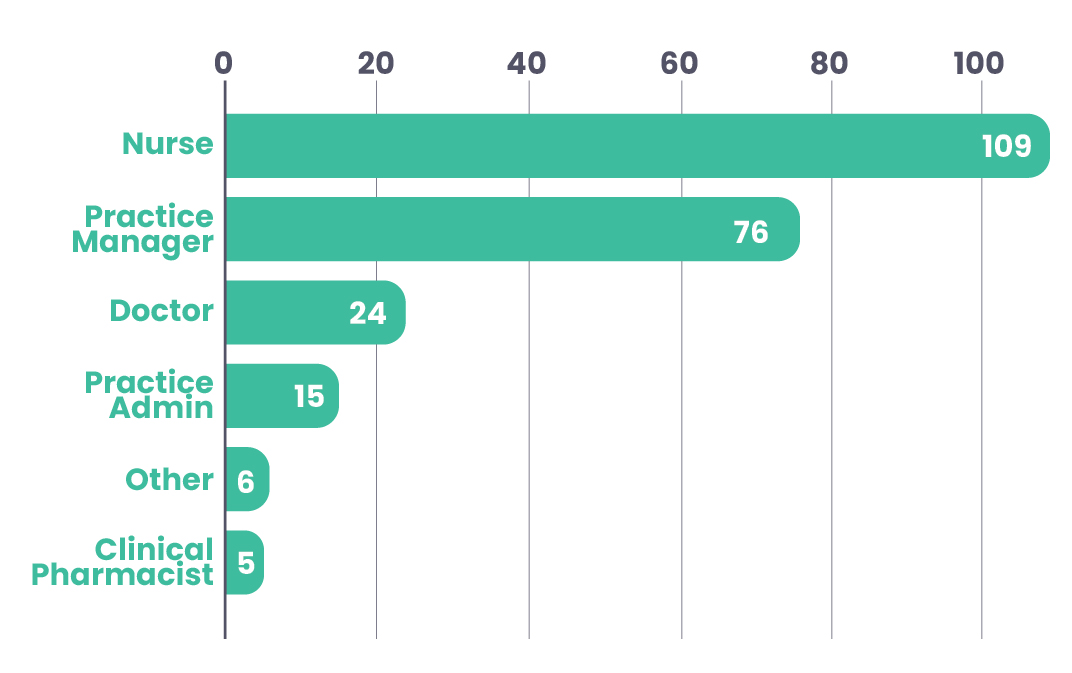
Early data suggests the report is being used most often by nurses and practice managers, highlighting its practical value in supporting team-based preventive care and recall activity within practices.

Click image to zoom: CVD risk screening, recall and treatment report by role (1/2-18/3/2026, Primary Sense)

The report groups patients into four tables based on defined criteria, making it easier to identify people who may benefit from cardiovascular disease risk screening, recall and treatment review. Practices can use the report to support targeted prevention activities, bulk recalls, care planning, medication optimisation, or to flag patients for follow-up at their next appointment.

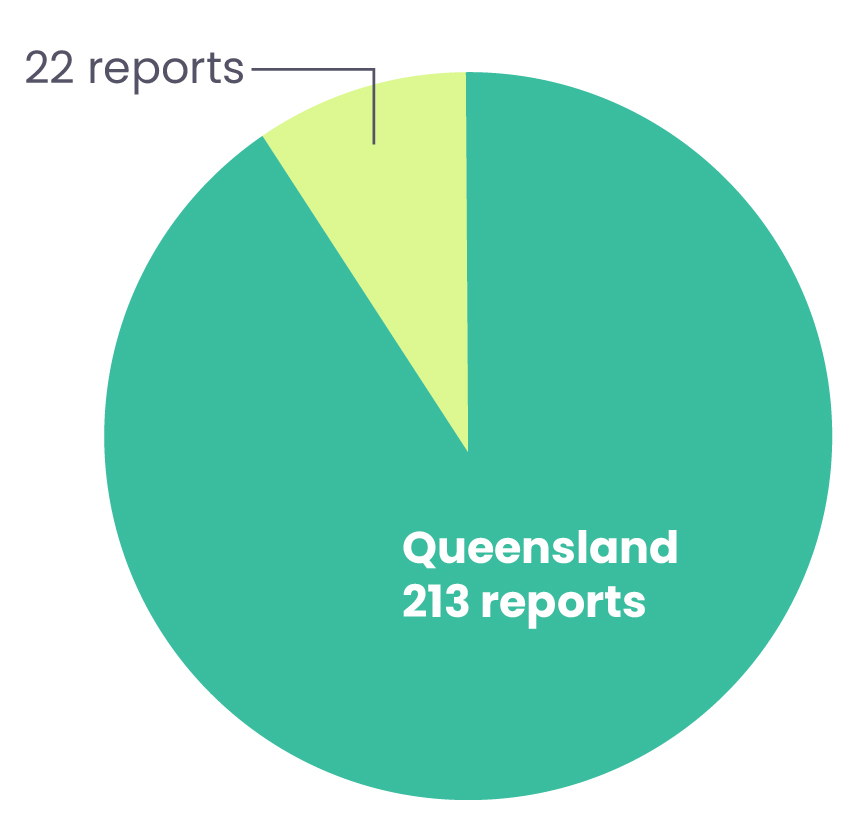
The available usage data also shows particularly strong uptake in Queensland, with 213 of the 235 report runs recorded in the state to date.

This early pattern of use is encouraging and reflects growing interest in practical tools that help practices identify patients at higher risk of heart attack or stroke, while also highlighting potential gaps in current care or treatment.

A supporting User Guide is also available on the PHASES resources page. The guide provides a walkthrough of the report and explains how it analyses your practice database for cardiovascular disease risk and care opportunities.

To access the report, click the Primary Sense icon Primary Sense icon on your clinical desktop or taskbar, then select the reports icon Reports icon from the expanded menu, then open the CVD Risk Screening, Recall and Treatment Report.


PHN teams across the state are continuing to working with local primary care teams to explore how this report can support practices and patients. Additional support is also available through PHASES factsheets, quality improvement tools, audit resources and other practical materials.

Funded by the Queensland Health Clinical Research Fellowship, the PHASES Linkage project connects general practice cardiovascular disease (CVD) risk data with hospitalisation and mortality data. This study aims to better understand how CVD risk impacts hospitalisation rates and assess the accuracy of the new CVD risk prediction equation in identifying high-risk individuals within Queensland’s population. 

The project will: 

  • Estimate the number of heart attacks and strokes that could be prevented with improved treatment for high CVD risk. 
  • Identify gaps in CVD prevention to inform future care strategies. 

Running in parallel with the PHASES project, PHASES Linkage highlights the power of data-driven insights to improve cardiovascular outcomes and reduce hospitalisations.