

Delivering great care is about more than experience — it’s about having the right tools to make every day smoother, smarter, and more effective.
At a general practice within the Gold Coast PHN region, Registered Nurse Ricki-Lee has witnessed how Primary Sense is transforming the way care is delivered. The platform has empowered the team to work more efficiently, stay proactive and make confident, data-informed decisions that improve patient outcomes.
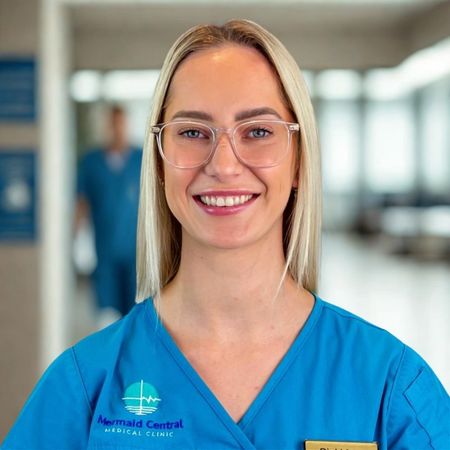
“Primary Sense has been an invaluable tool for our practice, enhancing our ability to track and improve quality measures across multiple health indicators. One of the features I appreciate most is how seamlessly it extracts and monitors data, especially missing patient information such as blood pressure, BMI, allergies, smoking and alcohol status. This has helped us stay on top of critical data needed for accreditation. The recent update that provides prompts for children’s immunisations has been a game-changer, alerting nurses and doctors if a patient’s immunisations aren’t up to date, making preventive care management more efficient. Primary Sense not only helps us enhance patient health outcomes, but also supports broader research efforts, contributing data that can shape studies at state and national levels. It’s a powerful tool for any general practice team committed to quality improvement and excellence in patient care.”
Ricki-Lee, Registered Nurse
This story highlights how digital innovation like Primary Sense is helping practices across the region strengthen preventive care, streamline workflows, and deliver even better outcomes for their patients.